Anchor Logo Embroidery: A Designer’s Review
As an embroidery designer who has spent countless weekends setting up booths at local craft fairs and managing online shops, I know that not every design translates into a bestseller. Some designs are technically impressive but fail to catch the eye of a passing customer. Others are simple yet irresistible. Today, I am reviewing Anchor Logo Embroidery, a machine embroidery design that promises a classic, nautical aesthetic. I evaluated this piece specifically through the lens of a maker preparing for a busy market season, looking at how it performs on real-world products and whether it holds up under the scrutiny of potential buyers.
First Impressions: Bold, Classic, and Versatile
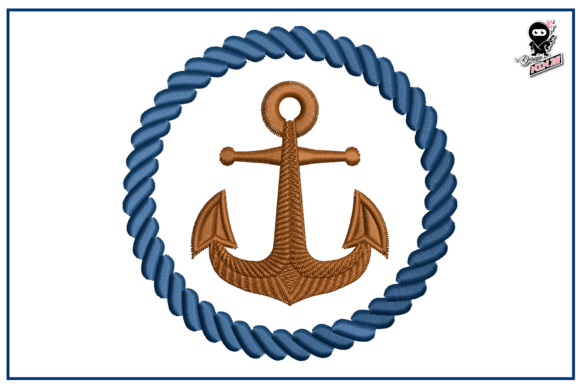
The first thing that strikes me about Anchor Logo Embroidery is its clarity. In a crowded marketplace, customers often scan tables in seconds. A design needs to communicate its theme instantly. This anchor motif does exactly that. It feels strong and maritime without being overly cluttered. It avoids the trap of being too "cute" or excessively detailed, which can sometimes look messy when stitched out on textured fabrics. Instead, it leans into a clean, iconic look that fits seamlessly into coastal decor, summer fashion, and even rustic farmhouse styles.
For a Beach themed collection, this design is a powerhouse. It evokes feelings of stability, adventure, and seaside calm. Whether you are targeting tourists looking for souvenirs or locals who love a nautical vibe, the visual language here is universal. It is not just a seasonal item; anchors have a timeless appeal that allows this handmade product to sell year-round, though it certainly peaks during spring and summer markets.
Product Application: Where This Design Shines
When planning my booth inventory, I always ask: "Where does this design live best?" For Anchor Logo Embroidery, the versatility is a major selling point. Here is how I see it performing across different categories:
- Tote Bags and Market Bags: This is arguably the strongest application. A large-scale version of this design centered on a canvas tote bag design creates an instant statement piece. The bold lines of the anchor hold up well against the coarse weave of canvas, making it a durable and attractive craft fair product.
- Aprons and Kitchen Textiles: For the home cook who loves a coastal kitchen, apron embroidery featuring this anchor adds a professional touch. It also works beautifully for tea towel embroidery. However, placement is key here; a smaller version on the corner of a towel looks elegant, while a larger center placement might feel too heavy depending on the towel's size.
- Embroidered Patches: Patches are high-margin items for small shops. Because the design is self-contained and iconic, it makes for an excellent embroidered patch. Customers love buying patches to customize their own jackets or bags, and this design offers a easy way for them to add a nautical flair to their existing wardrobe.
- Caps and Headwear: Stitching on curved surfaces is tricky. If the stitch density is too high, the fabric can pucker. Assuming the digital file is optimized, this logo works well on the front panel of a baseball cap. It serves as a subtle brand mark or a stylish accent that doesn't overwhelm the wearer.
Production Practicality for the Small Shop Owner
For an Etsy seller or a boutique maker, time is money. One of the biggest advantages of Anchor Logo Embroidery is its potential for batch production. The design appears to rely on solid shapes rather than intricate, tiny details that require frequent thread changes or slow down the machine. This means you can hoop multiple items, run the machine, and move on to finishing touches quickly.
Photography is another critical factor. This design photographs exceptionally well. The strong contrast between the anchor and the background fabric creates clear, sharp images for your printable mockup needs or actual product photos. When listing this as a digital embroidery file or a finished good, clean lines translate to higher perceived value online. Customers can instantly see the quality, which reduces hesitation in purchasing.
Technical Considerations and Careful Use
While the design is strong, there are technical aspects every embroiderer must consider before launching a full production run. Since the product description notes that it comes with multiple embroidery files, it is crucial to select the correct hoop size for your specific project. Using a file meant for a 5x7 hoop on a 4x4 project will result in cropping and loss of detail.
Stitch density is another vital check. On thick fabrics like denim or heavy canvas, a dense design can cause stiffness. Conversely, on lightweight linens, too much density can lead to puckering. I always recommend testing the design on scrap fabric first. Pay close attention to the thread colors you choose. While traditional navy and white are safe bets, experimenting with coral, seafoam green, or gold can elevate the design from standard to premium.
Additionally, consider the fabric texture. Terry cloth towels have loops that can obscure small details. If you are stitching this on textured materials, ensure the anchor’s lines are thick enough to remain visible. For dark fabrics, use a bright underlay or contrasting top thread to ensure the design pops. Never assume the default settings will work; always adjust your stabilizer choice based on the fabric weight. A cut-away stabilizer is often best for garments that will be washed frequently, ensuring the finished product maintains its shape.
Boosting Brand Consistency and Buyer Engagement
Using a consistent motif like Anchor Logo Embroidery helps build brand recognition. If you are a small shop product creator specializing in coastal goods, this design becomes part of your visual identity. It signals to customers that your brand is cohesive and professional. When displayed in a booth, having a range of items—pillows, bags, and patches—all featuring the same high-quality anchor creates a powerful visual impact. It draws customers in and encourages them to browse the entire collection.
For those selling commercial embroidery services, this design is a safe yet stylish option for client requests. It appeals to a broad demographic, from young families looking for beach gear to older couples decorating their vacation homes. Its simplicity allows it to blend with various interior design styles, making it a low-risk, high-reward addition to your portfolio.
Final Verdict for Craft Fair Sellers
In conclusion, Anchor Logo Embroidery is a robust addition to any maker’s library. It balances aesthetic appeal with production efficiency. It is not just a pretty picture; it is a functional asset for creating sellable goods. Before you commit to a large batch, remember to verify the specific file formats included in the design assets package to ensure compatibility with your machine. Check the licensing terms if you plan to sell the digital file itself versus the physical item.
Create at least one real mockup to test stitch-out quality. Compare how it looks on different fabric colors to determine your best sellers. If you approach this design with careful preparation and an eye for detail, it has the potential to become a staple in your Embroidery product line. It is a design that respects the craft while delivering the commercial viability that modern handmade business owners need.