Nativity Angei Machine Embroidery Review
As a designer who has spent countless hours digitizing and testing files, I approach every new machine embroidery design with a mix of curiosity and caution. The market is flooded with holiday motifs, but finding one that balances aesthetic charm with technical reliability is rare. Recently, I evaluated the Nativity Angei Machine Embroidery file to determine if it holds up under the scrutiny of real-world production. This isn’t just about whether the image looks cute on a screen; it is about how those stitches lay down on fabric, how they withstand washing, and whether they add genuine value to a handmade product.
First Impressions: Mood and Visual Personality
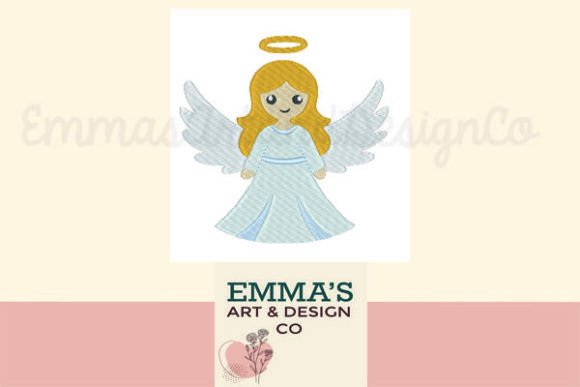
The first thing that strikes you about this embroidery file is its gentle, traditional appeal. It captures the essence of a classic nativity scene without becoming overly cluttered or dense. The angel figure, described as having golden hair and a halo, suggests a design that relies heavily on smooth satin stitch work for the wings and hair, contrasted with potentially finer fill stitch areas for the robe or background elements. For a designer, this combination is critical. Satin stitches provide that premium, raised texture customers love, but they require precise tension and stable fabric. If the digitizing is off, satin columns can gap or snag. From the preview, the lines appear clean, suggesting a well-digitized path that should minimize thread breaks during high-speed stitching.
The mood is undeniably serene, making it an ideal candidate for holiday embroidery projects that aim for elegance rather than loud, cartoonish vibrancy. It feels appropriate for heirloom-quality items, which is a significant selling point for small shop owners looking to differentiate their Etsy seller listings from mass-produced goods.
Real-World Application: From Screen to Stitch
To truly test the viability of the Nativity Angei Machine Embroidery, I mentally placed it into several common production scenarios. Imagine preparing a custom embroidered tote bag for a Christmas market. Tote bags are typically made from canvas or heavy cotton, which are excellent substrates for this type of design. The stability of the fabric would support the density of the angel’s wings, ensuring the stitch density does not cause puckering. In this context, the design acts as a focal point, elevating a simple bag into a personalized gift or a boutique small shop product.
Another practical application is sweatshirt embroidery. Here, the challenge shifts. Sweatshirts are thick, often fuzzy, and prone to shifting. Using this design on a crewneck requires careful hooping and likely a cut-away stabilizer to prevent the garment from distorting under the weight of the threads. If executed correctly, the golden hues of the angel’s hair against a deep navy or forest green sweatshirt create a sophisticated look that appeals to adult buyers, not just children. This versatility expands the potential customer base for any craft business utilizing this asset.
For those creating baby embroidery items, such as receiving blankets or onesies, the softness of the design is a major asset. However, one must be cautious. Babies have sensitive skin, and dense stitching can feel scratchy on the reverse side. If using this on baby clothes, I would recommend placing the design on the upper chest or sleeve rather than directly against the skin, or using a soft backing to cover the stitches. This attention to detail is what builds customer trust and encourages repeat business.
Technical Considerations and Fabric Compatibility
While the design is charming, it is not universally compatible with every fabric or hoop. Designers must consider where the Nativity Angei Machine Embroidery might fail if not handled correctly. For instance, using this on thin, stretchy fabrics like jersey knits without proper stabilization is a recipe for disaster. The running stitch outlines, if present, might sink into the fabric, losing definition. Similarly, textured fabrics like terry cloth or heavy wool can obscure fine details. If the angel’s facial features or halo details are small, they may get lost in the pile of the fabric.
Curved surfaces, such as caps or hats, present another challenge. Embroidering a flat, detailed design on a curved cap requires experience with cap frames and stabilizers. If the design is too wide for the available hoop space on a standard cap machine, it may need to be resized, which could compromise the integrity of the small details. Always check the recommended hoop size before committing to a project. If the design is large, it may not fit on smaller hoops commonly used for pockets or cuffs.
Dark fabrics require special attention to thread colors. If the design includes light-colored threads for the angel’s face or halo, ensure your machine’s tension is perfectly calibrated to prevent the darker bobbin thread from showing through. A quick test on scrap fabric is non-negotiable here. I always advise running a test stitch-out on the actual fabric type you plan to use. This simple step saves time, materials, and reputation.
Enhancing Brand Value and Customer Engagement
From a business perspective, the quality of your design assets directly impacts your brand perception. A crisp, well-stitched Nativity Angei Machine Embroidery signals professionalism. It tells the buyer that you care about quality. When you showcase this design in printable mockup previews or actual product photos, it should look clean and intentional. Messy stitches, bird’s nests, or puckered fabric detract from the perceived value of the finished product.
For commercial embroidery users, licensing is a crucial factor. Before selling items featuring this design, confirm the license terms provided with the digital embroidery file. Most designers allow the sale of physical finished goods, but restrictions may apply to digital redistribution. Respecting these terms protects your business and supports the creative community. Additionally, using this design in a cohesive collection—for example, pairing it with other nativity elements—can help create a strong brand identity for the holiday season.
Practical Designer Notes for Success
To get the best results from this applique design or standard embroidery file, keep these practical tips in mind:
- Test on Scrap First: Always stitch out the design on a similar fabric scrap to check for density issues and color accuracy.
- Check Contrast: Ensure your thread colors contrast sufficiently with the fabric. Use black and white mockups to verify visibility.
- Stabilizer Selection: Match your stabilizer to the fabric. Use cut-away for knits and tear-away for wovens.
- Inspect Details: Zoom in on the digitized file to check for tiny, unnecessary stitches that could cause breaks.
- Verify Licensing: Confirm whether the file allows for commercial use if you plan to sell the embroidered patch or item.
- Hoop Size Confirmation: Ensure the design fits within your machine’s maximum hoop area without resizing excessively.
In conclusion, the Nativity Angei Machine Embroidery offers a blend of traditional charm and practical utility. When used with attention to fabric choice, stabilization, and machine settings, it can elevate a range of products from simple tote bag design concepts to high-end custom apparel. For the discerning maker, it represents a solid addition to the holiday toolkit, provided it is treated with the technical respect it deserves.