Review: Baby Highland Cow Embroidery Design
As an embroidery designer who has spent countless weekends behind a craft fair table, I know that the difference between a browsing customer and a buying customer often comes down to split-second visual appeal. When I first loaded the Baby Highland Cow Embroidery Design into my software, my immediate reaction was one of relief mixed with excitement. In a market saturated with generic florals and standard monograms, this design offers a distinct personality. It feels undeniably cute, with a touch of rustic charm that aligns perfectly with current trends in farmhouse and nursery decor. For those of us creating handmade products, finding a design that balances whimsy with professional polish is rare, but this file delivers.
First Impressions and Visual Appeal
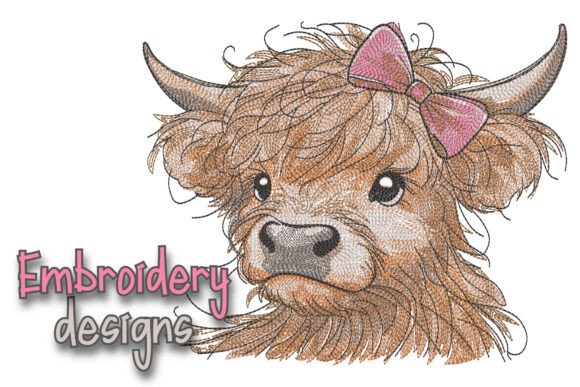
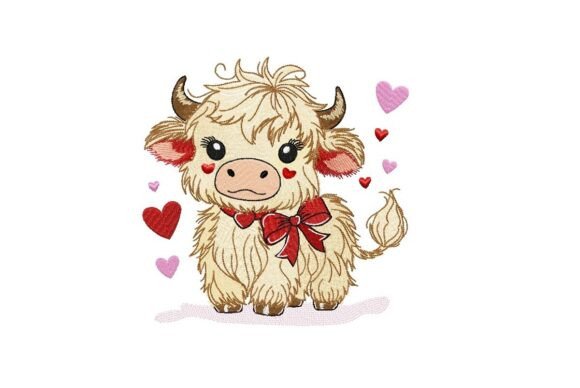
The core strength of this machine embroidery design lies in its composition. The central figure—a baby Highland cow with its characteristic fluffy texture—is surrounded by hearts. This framing does two things: it softens the overall look, making it ideal for Valentine’s Day promotions, and it creates a natural border that contains the stitch work neatly. From a distance, which is how most customers view items on a crowded booth table, the silhouette is clear and recognizable. It does not get lost in noise. The "baby animals" theme is evergreen, but adding the heart elements gives it a seasonal hook without limiting its shelf life to just February. It feels playful yet polished, a combination that signals high quality to potential buyers.
Product Versatility for Craft Fair Sellers
When planning my inventory for a weekend market, I always ask: where does this design shine? The Baby Highland Cow Embroidery Design is remarkably versatile. Here is how it performs across different substrates:
- Tote Bags: This is perhaps the strongest application. A canvas tote with this design centered becomes an instant tote bag design staple. The hearts provide enough coverage to make the stitching feel substantial without being overly heavy.
- Aprons: For kitchenware, an apron embroidery placement on the bib or lower pocket works beautifully. The rustic cow motif appeals to home cooks who love farmhouse aesthetics.
- Tea Towels: A tea towel embroidery project requires careful attention to fabric texture. Because towels are looped and textured, the design needs to be dense enough to sit on top of the pile. This design’s structure seems robust enough to handle it, provided the right stabilizer is used.
- Patches and Pouches: As an embroidered patch, this design can be hooped on felt or twill, cut out, and applied to jeans, jackets, or small fabric pouches. This allows for batch production of smaller, lower-price-point items.
- Pillow Covers: Placed on a neutral linen pillow cover, the design acts as a charming focal point for nursery decor or living room accents.
Production Practicality and Batch Selling
For any Etsy seller or boutique maker, time is money. One of the most critical aspects of reviewing a digital embroidery file is assessing its producibility. Does it run smoothly? While I cannot give you the exact stitch count without running it, the visual complexity suggests a moderate density. This is good news for production. Designs that are too dense take forever to stitch and can pucker lightweight fabrics; designs that are too sparse look cheap. This balance suggests it will be efficient for a small shop product line.
Photography is another major factor. This design photographs exceptionally well because the contrast between the cow and the surrounding hearts creates visual interest even in flat-lay images. For your online listings, creating a printable mockup or a digital composite can help visualize the design on various backgrounds before you commit to stitching every sample. This saves thread and time during the prototyping phase.
Careful-Use Notes and Technical Considerations
While the design is strong, no embroidery file is universal without adjustments. Here are some technical considerations to keep in mind to ensure your finished product looks professional:
- Fabric Texture: If you are stitching on textured towels or thick denim, ensure your needle is sharp enough to penetrate without breaking. The "fluffy" nature of the Highland cow implies satin stitches or fill patterns that need to sit smoothly on the surface.
- Stabilizer Selection: Always use the appropriate stabilizer. For stretchy fabrics like t-shirts or caps, a cut-away stabilizer is non-negotiable to prevent distortion. For woven fabrics like tote bags, a tear-away may suffice, but test first.
- Thread Colors: The charm of this design relies on thread colors. High contrast is key. If you stitch a brown cow on a dark brown bag, it will vanish. Use light threads on dark fabrics and vice versa. Consider using variegated threads for the hearts to add depth.
- Hoop Size: Check the available hoop size options included in the file. Ensure the design fits comfortably within your machine’s maximum hoop area with enough margin for clamping. If the design is large, it may not fit on smaller caps without resizing, which can affect stitch density.
- Small Details: If you plan to scale this down for small pouches or baby bibs, be wary of losing clarity. Tiny details can merge together if the design is reduced too much. Always stitch a test piece on scrap fabric before committing to your final inventory.
Boosting Brand Consistency and Buyer Engagement
Incorporating the Baby Highland Cow Embroidery Design into your lineup can strengthen your brand identity if you specialize in cute, rustic, or family-oriented goods. It signals to customers that you understand current trends. When displayed in a booth, group these items together. A cluster of tote bags, patches, and pillows featuring this cow creates a "collection" feel, which encourages buyers to purchase multiple items. It transforms a single craft fair product into a themed display that draws the eye.
Furthermore, for those involved in commercial embroidery, this design offers a safe yet engaging option for corporate gifts or baby shower favors. Its neutral appeal—being neither strictly masculine nor feminine—makes it a versatile choice for a wide demographic.
Final Designer Verdict
Before you launch this into your store, remember to verify the licensing terms. The description mentions it comes with multiple formats, which is standard for a quality design assets package, but always confirm that commercial use is permitted for physical sales. Test the design on at least three different fabric types to gauge how the fabric texture interacts with the stitches. Check the spacing between the cow and the hearts to ensure no thread breaks occur in tight turns.
In conclusion, the Baby Highland Cow Embroidery Design is a strong contender for any maker looking to expand their Baby Animals or seasonal collection. It is visually engaging, practically scalable, and emotionally resonant with buyers looking for heartfelt, handmade gifts. With proper testing and smart product placement, this design has the potential to become a bestseller in your shop.