Reviewing the Interlocking Embroidery Design
As a designer who spends more time staring at stitch simulations than I do sleeping, I have learned that not all machine embroidery design files are created equal. Some are flashy but fragile; others are simple but lack soul. Recently, I downloaded the Interlocking Embroidery Design 3-6 Sizes to test its viability for a batch of custom orders. My goal was not just to see if it stitched out, but to determine if it holds up under the scrutiny of a paying customer. This review breaks down my experience with this specific embroidery file, focusing on its practical application in real-world Embroidery projects.
The Aesthetic Appeal of Redwork Simplicity
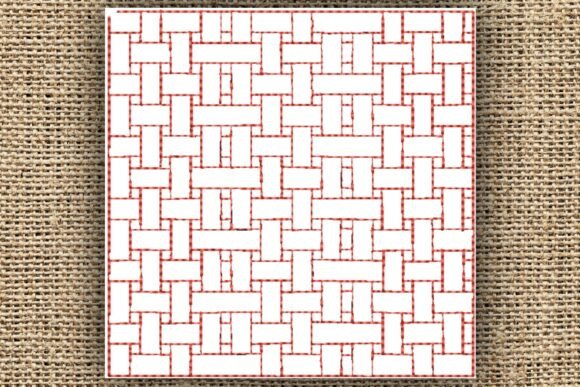
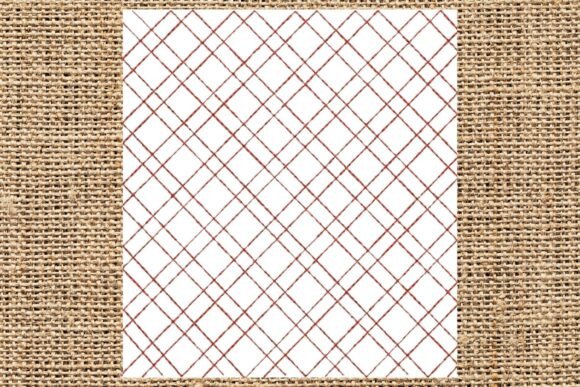
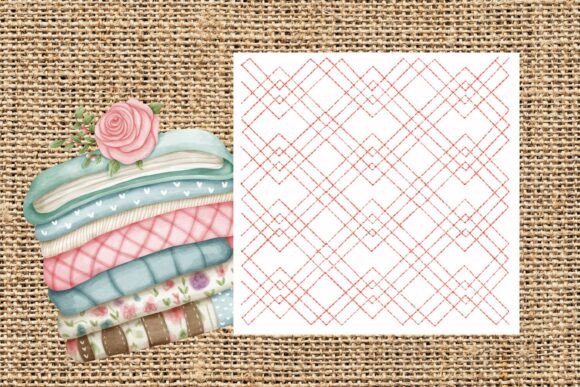
The first thing that struck me about this design is its commitment to the redwork aesthetic. In an era where dense fill stitch patterns dominate the market, there is a refreshing elegance to a design that relies on clean lines and negative space. The interlocking motif creates a sense of movement without the bulk. Because it is digitized as a redwork piece, it stitches cleanly without trims. This is a massive advantage for production efficiency. When you are running a craft business, every thread trim and jump stitch adds seconds to your cycle time. Over fifty items, those seconds add up to hours.
Visually, the design fits perfectly into the Backgrounds category. It does not scream for attention; rather, it invites the viewer to look closer. This subtlety makes it ideal for modern, minimalist branding. Whether you are creating a personalized gift for a wedding or stocking your Etsy seller shop with trendy home decor, this design offers a sophisticated look that appeals to buyers who appreciate understated quality.
Real-World Application: The Tote Bag Test
To truly evaluate the Interlocking Embroidery Design 3-6 Sizes, I needed a project that would stress-test its versatility. I chose a heavy canvas tote bag, a staple item for any small shop product line. Canvas is forgiving, but it can be tricky if the stitch density is too high, causing puckering. Since this is a redwork design utilizing primarily running stitch techniques, the risk of distortion was low.
I selected a deep navy thread to contrast against the natural beige fabric. The result was striking. The interlocking lines created a geometric rhythm that looked intentional and high-end. Unlike complex applique design work that requires precise cutting and layering, this design relied solely on the precision of the needle. The lack of trims meant the back of the hoop was nearly as clean as the front, a detail that matters greatly when selling handmade product items where customers often inspect the craftsmanship closely.
This success translates well to other items. Imagine this design on a sweatshirt embroidery project. The lightweight nature of the stitching means it will not weigh down the fabric or create a stiff, uncomfortable patch on the chest. Similarly, for baby embroidery on soft cotton onesies, the gentle stitch path ensures comfort against sensitive skin. It is a versatile asset for anyone producing custom apparel.
Navigating Fabric and Hoop Constraints
While the design is robust, it is not without its limitations. As an experienced reviewer, I must point out where caution is needed. The availability of 3-6 sizes is a significant benefit, allowing you to scale the motif for different hoop size constraints. However, scaling down too far can compromise the clarity of the interlocking elements. If you are working on a small item like a cap or a narrow strap, ensure you are using the smallest provided size to maintain definition.
Fabric choice plays a critical role here. On textured fabrics like linen or waffle weave, the thin lines of a redwork design can get lost. I recommend testing the design on scrap fabric first, especially if you are moving away from smooth cottons or polyesters. For stretchy fabrics, a proper stabilizer is non-negotiable. Even though the stitch count is likely lower than a satin-heavy design, the tension from the interlocking paths can still cause warping if the fabric is not properly supported.
Dark fabrics present another consideration. While I had success with navy thread on beige, reversing this—light thread on dark fabric—requires careful attention to thread colors. Ensure your thread has enough sheen or thickness to stand out. A matte, thin thread might disappear into a dark fleece or denim, ruining the visual impact of the embroidery project.
Commercial Viability and Brand Consistency
For commercial embroidery professionals, the value of a design lies in its reliability and licensing clarity. The fact that this file is part of a series suggests a cohesive style that can help build brand consistency. If you are a digital product seller or a boutique owner, using a consistent design language across your products helps customers recognize your work. The interlocking theme could easily become a signature element of your brand.
When creating printable mockup images for your online store, this design shines. Its clean lines render beautifully in digital previews, giving potential buyers a clear idea of the finished product. This transparency builds trust. Customers are more likely to purchase when they can visualize the outcome clearly. Furthermore, because it stitches quickly, you can produce these items at a lower labor cost, improving your profit margins on platforms like Etsy or at local craft fairs.
Practical Designer Notes for Best Results
Before you commit to a large production run, keep these practical tips in mind:
- Test on Scrap: Always stitch a sample on the exact fabric you plan to use. Check for puckering or thread breaks.
- Check Contrast: Use high-contrast thread colors to ensure the interlocking details are visible. Test in black and white mockups to verify visibility.
- Stabilizer Selection: Use a cut-away stabilizer for stretchy knits and a tear-away for stable wovens. This ensures the design remains crisp after washing.
- Verify Licensing: Confirm the license terms before selling. Ensure you are allowed to use the digital embroidery file for commercial purposes if you are selling physical goods.
- Inspect Details: Zoom in on the digitized preview. Look for any potential jump stitches that might need manual trimming, although the description claims clean stitching.
In conclusion, the Interlocking Embroidery Design 3-6 Sizes is a strong addition to any designer’s library. It balances aesthetic appeal with production efficiency. It is particularly well-suited for holiday embroidery gifts, embroidered patch creations, and everyday tote bag design projects. By understanding its strengths and respecting its limitations regarding fabric and scale, you can leverage this design to create professional, high-quality items that resonate with customers. It is a tool that rewards thoughtful application, offering a blend of tradition and modern simplicity that stands out in a crowded market.