Reviewing the Playful Puppy with Ball Embroidery
As a designer who spends more time staring at stitch simulations than I do sleeping, I have learned that not every cute concept translates well into thread. We have all seen those digital embroidery file listings that look adorable on a white screen but turn into a tangled mess of bird’s nests on actual fabric. That is why I approach every new machine embroidery design with a healthy dose of skepticism and a stack of scrap fabric ready for testing. Recently, I downloaded the Playful Puppy with Ball Embroidery to see if it holds up under the needle. After stitching it out on various materials and analyzing its structure, I am ready to share my practical assessment for fellow crafters, Etsy sellers, and boutique owners.
First Impressions: Capturing Motion in Thread
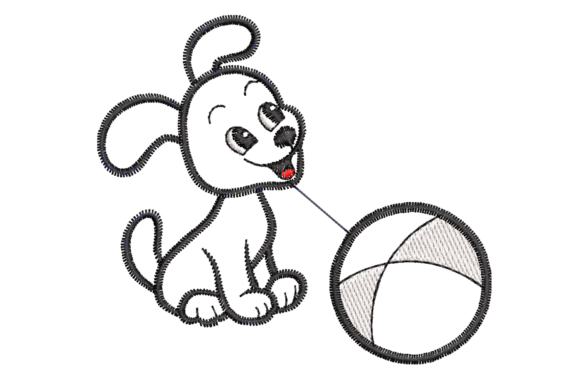
The first thing that strikes you about this design is its energy. It is not a static portrait; it captures a specific moment of joy. The puppy is mid-chase, eyes bright, tail wagging, creating a sense of movement that is difficult to achieve in static Embroidery. For those of us designing for the Animals category, balancing cuteness with clarity is a constant challenge. This design manages to keep the facial features distinct without relying on excessive detail that might get lost in smaller hoop sizes.
The layout is compact yet dynamic. The ball serves as an anchor, giving the eye a place to rest before following the curve of the puppy’s body. Visually, it feels balanced. However, a pretty picture does not guarantee a smooth stitch-out. My initial concern was the density around the eyes and the transition between the fur texture and the smoother areas of the ball. These are critical zones where poor digitizing can lead to puckering or thread breaks.
Real-World Application: From Screen to Sweatshirt
To truly evaluate the Playful Puppy with Ball Embroidery, I moved beyond the simulation and started stitching. My primary test case was a custom sweatshirt embroidery project for a client’s child. Sweatshirts are tricky because the fleece backing can cause shifting if the stabilizer choice is incorrect. I used a medium-weight cut-away stabilizer, which is my go-to for garments that will undergo frequent washing.
The result was surprisingly clean. The design utilized a mix of fill stitch for the body and satin stitch for the outlines and details. The transition between these stitch types was smooth, with no visible gaps or overlapping threads that often plague lower-quality design assets. The puppy’s expression remained clear even from a distance, which is crucial for apparel. When you are selling a handmade product, the customer needs to recognize the subject instantly. This design delivers that immediate recognition.
I also tested it as a tote bag design on a heavy canvas. Here, the stitch density proved to be well-calculated. It was dense enough to cover the weave of the canvas but not so heavy that it distorted the fabric. For small shop product lines, versatility is key. A design that works on both soft knits and sturdy canvases increases its value significantly.
Navigating Fabric Challenges and Hoop Constraints
While the design performed well on standard fabrics, there are limitations every embroiderer should note. If you are planning to use this on thin or stretchy fabric, such as a lightweight t-shirt or a silk blend, extra caution is required. The running stitch elements, while delicate, need proper support. I recommend using a tear-away stabilizer with a light fusible topping to prevent the stitches from sinking into the fabric texture.
For those interested in creating an embroidered patch, this design is a strong candidate. The defined edges allow for a clean merrowed border or a simple satin edge finish. However, if you are working with a small hoop size, such as a 4x4 inch hoop, you must check the scaling. Shrinking the design too much will compromise the detail in the puppy’s eyes and the texture of the ball. Always stitch a test sample on scrap fabric before committing to your final finished product.
Dark fabrics present another consideration. The thread colors chosen for the preview are bright and cheerful, but if you are stitching on navy or black, you may need to adjust the palette or add an underlay to ensure vibrancy. Contrast is essential for the playful mood to come through. A muddy appearance can ruin the visual appeal and reduce the perceived value of the item.
Commercial Viability and Brand Consistency
For craft business owners and commercial embroidery professionals, the question is always about marketability. Does this design fit into a cohesive brand? The Playful Puppy with Ball Embroidery leans towards a whimsical, family-friendly aesthetic. It is perfect for baby embroidery items, holiday gifts, and personalized accessories. It evokes warmth and happiness, which are powerful drivers for buyer engagement.
When creating printable mockup files for your online store, this design photographs well. The clear lines and distinct shapes translate nicely into digital previews, helping customers visualize the final item. Whether you are selling custom apparel or home decor like pillow covers, the design adds a professional touch. It does not look like a generic clipart conversion; it looks like a purposefully digitized piece of art.
However, professionalism also means respecting licensing. Before you list this as part of your Etsy seller inventory or include it in a bundle of digital embroidery file products, confirm the license terms. Most designers allow the sale of finished physical items, but redistributing the file itself is usually prohibited. Protecting your brand consistency and legal standing is just as important as the quality of the stitch.
Practical Notes for the Serious Stitcher
If you decide to incorporate this design into your workflow, here are my top recommendations for best results:
- Test on Scrap First: Never skip this step. Check for thread breaks and tension issues on the specific fabric you intend to use.
- Check Thread Contrast: Ensure your thread choices provide enough contrast against the fabric background to maintain the design’s clarity.
- Review Stitch Density: If your machine struggles with dense areas, consider adjusting the tension or using a higher quality thread to reduce friction.
- Confirm Hoop Size: Make sure your hoop accommodates the full design without needing to resize it below the recommended minimum.
- Inspect Small Details: Zoom in on the eyes and tail. If they look pixelated in the preview, they may stitch out poorly.
- Use Proper Stabilizer: Match your stabilizer to the fabric weight. Cut-away for knits, tear-away for wovens.
- Verify Licensing: Always read the terms of use for both personal and commercial projects to avoid legal issues.
In conclusion, the Playful Puppy with Ball Embroidery is a solid addition to any designer’s library. It balances artistic charm with technical practicality. While it requires thoughtful fabric selection and stabilization, the resulting embroidery project is high-quality and commercially viable. For makers looking to add a touch of joy to their small business merchandise, this design is worth the hoop time.